
Stargazing
Stargazing in Romania — options for every level of experience. Clear prices and real reviews.

Difficulty
Very easy – Moderate
Duration
1 hour - a whole night

Location
Countryside, mountains, places with little light pollution
Season
All year round, depending on conditions
What is stargazing?
Stargazing means watching the night sky and whatever can be seen in it.
It takes in picking out stars, constellations, planets and what the sky happens to be doing.
It can be restful, something you learn from, or a matter of photography.
It is far better where the sky is dark and there is little artificial light.
How does a stargazing session work?
Picking the place
You look for places with a clear view and little light about.
Getting the gear ready
You sort out warm clothes and whatever optics you are using.
Letting your eyes adjust
The eyes need time before they pick out the fainter stars.
Watching the sky
You pick out stars, constellations and planets.
Learning the sky
Participants find out about what they have been looking at.
Who is stargazing for?

Families
Something worth learning from, for children and adults.
Amateur astronomers
It gives them the universe to work through.
Photographers
It gives you real chances at astrophotography.

Travellers
It rounds off a day spent out of doors.
stargazing experience level
Watching with the naked eye
Picking out the stars and constellations you can see unaided.
Guided astronomy evening
Watching the sky alongside a guide or an amateur astronomer.
Watching through a telescope
Working the Moon, the planets and objects further out.
Astrophotography
Photographing stars, the Milky Way and what else the sky throws up.
At a glance
A dark sky
Places without artificial light give you the best of it.
A clear sky
Cloud and damp cut down what you can see.
The phase of the Moon
The Moon changes how bright the night sky is.
The astronomical seasons
Which constellations you see changes over the year.

Patience
It takes time for the eyes to adjust.
Knowing the sky
Apps and star charts help you work out what you are seeing.
stargazing kit
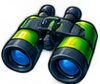
Astronomy binoculars
They let you look at the Moon and a few other objects.

Telescope
It shows you the objects in detail.

Star chart
It helps you name the constellations.

Astronomy app
It tells you where the objects are.
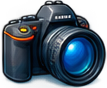
Camera
For taking astronomical photographs.
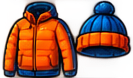
Warm clothes
Nights out of doors get cold, even in summer.
stargazing safety
Watching the sky happens out of doors, and that takes preparing for.

Stargazing — frequently asked questions
Yes. Plenty of constellations and events show up to the naked eye.
Clear, dark nights give you the best conditions.
Yes. It teaches and holds the attention of a family.
No. A telescope is worth having for going further.
Yes. With the right kit you can do astrophotography.
Yes. It helps you name what you are looking at.
Finding the night sky and making sense of it.