
Bikepacking
Bikepacking: pick what suits you. Options for beginners, families or groups, in the finest settings there are.
Difficulty
Moderate – Expert

Duration
2 days – several weeks

Location
Mountains, forests, country roads, international routes

Season
Spring – autumn
What is bikepacking?
Bikepacking is travelling by bike with your kit carried in purpose-made bags on the machine.
The point is to explore natural routes and new regions under your own steam.
It brings cycling, adventure and camping out together.
The emphasis is on freedom, adapting as you go and travelling light.
Types of bikepacking
Gravel bikepacking
Trips on mixed roads and country routes.
MTB bikepacking
Adventures on mountain routes and rough ground.
Road bike touring
Long journeys on made-up roads.
Ultralight bikepacking
Travelling with the least kit and the least weight you can manage.
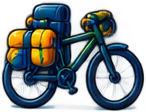
Bikepacking expeditions
Long routes ridden entirely under your own steam.
How does a bikepacking trip work?
Planning the route
You settle the distance, the terrain and where you will stop.
Packing the bike
The luggage goes on the bike in a balanced way.
Finding your way
You use maps, a GPS and whatever local knowledge you can get.
Camping
You settle on where to rest or spend the night.
The trip itself
The point is the exploring and what comes of it.
Who is bikepacking for?
Adventure lovers
For people wanting time outdoors and routes they have not ridden.
Experienced riders
Suited to people used to long days in the saddle.
People who like camping
It puts cycling and living outdoors together.

Explorers
For getting to places that are harder to reach.

People who travel light
For anyone who would rather travel with less.
bikepacking experience level
Mini bikepacking
A first go, with one night outdoors or in simple lodgings.
Weekend bikepacking
Routes of two or three days with the full kit.
Mountain bikepacking
Routes with a lot of climbing and difficult ground.
bikepacking expedition
Long journeys ridden entirely under your own steam.
At a glance
How much you carry
A compact load makes the riding a good deal easier.

Planning the route
You have to reckon with the distance, the water and where you can restock.

Self-sufficiency
You have to manage what you are carrying.
Weather
The weather can shape the route a great deal.
Repairs
Knowing your way around the bike helps.

Navigation
A GPS and maps matter on long routes.
bikepacking kit
The right bike
Gravel, MTB or touring, depending on the route.
Bikepacking bags
Bags for the frame, the bars and the saddle.
Shelter
A tent, a sleeping bag or somewhere to stay.

Technical clothing
Clothes that cope with changes in temperature.
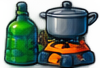
Cooking kit
A stove and the bits that go with it, for self-supported rides.
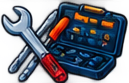
Full repair kit
Tools, consumables and a few spare parts.

GPS and maps
For finding your way on routes you do not know.
bikepacking safety
Being self-sufficient means preparing properly and thinking about the risks.

Bikepacking — frequently asked questions
Yes, by starting with short rides on easy routes.
Gravel, MTB or touring, depending on the route.
No. You can mix it with guesthouses or other places to stay.
It depends on your preparation, the ground and your kit.
Yes, with the right preparation and planning.
Spring, summer and early autumn suit it best.
The freedom to explore by bike, carrying everything you need.