


Skiing

Looking for skiing? Discover the best offers in Romania — vetted providers, equipment included and transparent prices.

Difficulty

Beginner – very advanced

Duration

A few hours – a day or several days

Location

Groomed pistes, mountain resorts and ski areas

Season

Winter – spring, depending on snow cover

What is skiing?

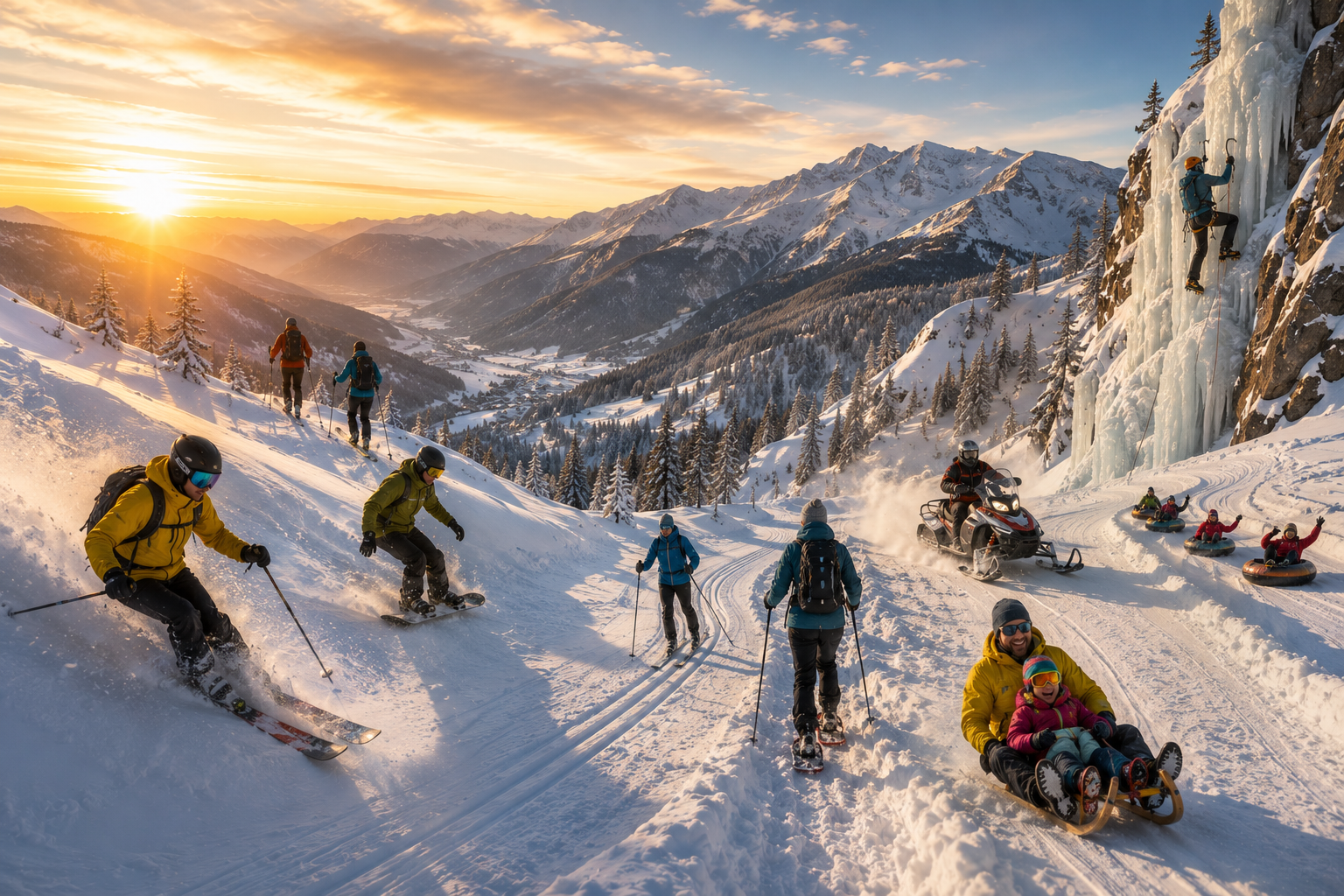
Skiing is a winter sport practised on snow, where you move and descend on a pair of skis.

Alpine skiing takes place mainly on groomed pistes of varying difficulty.

It can be done for pure enjoyment as well as for training, performance or competition.

Skiing calls for balance, coordination, control of speed and a technique adapted to the state of the piste.

Outdoor experiences

Skiing experiences available

Book activities run by specialist organisers.

Outdoor partners

Skiing organizers

Meet the organisers who specialise in this activity.

Skiing comes in several forms, from beginner lessons to advanced and competitive alpine skiing.

Types of skiing

Recreational skiing

Skiing for relaxation, fun and exploring the pistes.

Alpine skiing

Descents on groomed pistes with varying degrees of difficulty.

Freeride

Skiing on natural terrain and ungroomed snow, away from the classic pistes.

Freestyle

Skiing focused on jumps, tricks and the features of a snowpark.

Competitive skiing

Training for and taking part in alpine events based on speed and precision.

A day of skiing means preparing the kit, warming up, riding the lift up and skiing back down.

What does a day of skiing look like?

01

Choosing the piste

The piste is chosen according to experience, the weather and the state of the snow.

02

Getting the gear ready

Skis, boots, poles, helmet and protective gear are checked.

03

Warming up

Warm-up and preparation exercises are done before the first descents.

04

Riding the lift up

Alpine skiing uses chairlifts, gondolas or drag lifts to reach the top of the piste.

05

The descent

The descent is about controlling speed, direction and turns, matched to the skier's level.

Skiing suits people of different ages and levels of experience who want an active sport in the cold season.

Who is skiing for?

Beginners

Beginners

They can learn the basic stance, braking, turning and control of speed.

Families

Families

Everyone can ski together, choosing pistes and activities that suit each level.

Experienced skiers

Experienced skiers

They can take on harder pistes and refine their technique.

Active people

Active people

A dynamic workout for balance, coordination and stamina.

People keen on adventure

People keen on adventure

A chance to explore varied pistes and mountain terrain.

Groups of friends

Groups of friends

It works in a group too, with routes chosen to match the participants' level.

How demanding skiing feels depends on technique, the steepness of the piste, speed and snow conditions.

Level of the experience

Beginner

Discovery

Learning the basic stance, braking and turns on easy pistes.

Learning Fun

Recreational skiing

Exploring

Descents on medium-difficulty pistes and work on technique.

Effort Adventure

Advanced skiing

Performance

Descents on difficult pistes, at higher speeds and with demanding technique.

Control Challenge
Things worth knowing before a day on the slopes.

At a glance

The weather

The weather shapes visibility, temperature and the state of the piste.

State of the snow

The surface of the piste changes with temperature, fresh snow and traffic.

Choice of piste

The piste should match the skier's technique and experience.

Ski instructor

Lessons with an instructor are worth it for beginners and for polishing technique.

Physical preparation

Skiing works the legs, balance and stamina.

Water and breaks

Regular breaks and drinking enough keep your energy up through the day.

Skiing calls for gear matched to the skier's level, the weather and the type of activity.

Gear

Skis

Skis chosen according to level, height, weight and skiing style.

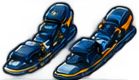
Bindings

They attach the boots to the skis and contribute to control and safety.

Ski boots

They give support and precision, and pass your movements to the skis.

Ski poles

They help with balance, rhythm and starting your turns.

Helmet

It protects the head and is recommended at any level.

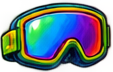
Ski goggles

They protect the eyes from wind, snow and sunlight.

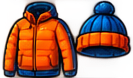
Technical clothing

Thermal layers, plus protection from wind and wet.

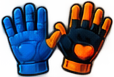
Gloves

They protect the hands from cold and damp.

Safety

Skiing means moving at speed on sloping terrain, and the rules of conduct on the piste apply to everyone.

Wear a helmet
Keep your speed in check
Follow the rules of the piste
Pick the right piste
Mind the visibility
Keep your distance
Answers to the questions people ask most about skiing.

Frequently asked questions about skiing

Can I learn to ski as a complete beginner?
+

Yes. Beginners are best off starting on easy pistes and, ideally, taking lessons with an instructor.

What is the difference between alpine skiing and ski touring?
+

Alpine skiing happens mainly on groomed pistes and uses lifts to get up, whereas ski touring means climbing under your own power as well.

What equipment do I need for skiing?
+

The basics are skis, bindings, boots, poles, a helmet, goggles and suitable clothing.

Do I need an instructor?
+

An instructor is recommended for beginners, and lessons also help experienced skiers refine their technique.

When is the best time to go skiing?
+

It depends on the snow cover, the temperature and conditions at the mountain resort.

Is skiing physically demanding?
+

Yes. Skiing works the legs above all, along with balance, coordination and stamina.

What is skiing mainly for?
+

Skiing can be about recreation, sport, technique, adventure or performance.