
Sea kayaking
Sea kayaking — find the best experiences in Romania. Quick booking, professional guides and kit included.

Adventure level
Easy – Moderate

Duration
2–6 hours

Group
2-12 people

Season
Spring to autumn
What is sea kayaking?
Sea kayaking means exploring the coast in a kayak built for salt water.
You can reach hidden bays, rock formations, cut-off beaches and stretches of country you cannot get to by land.
It brings together sport, adventure and closeness to nature, quietly and without leaving a trace.
It suits beginners on calm routes as much as it suits experienced paddlers on longer ones.
How does it work?
Arrival and kitting up
You are told about the route, the conditions at sea and the programme.
Kitting up
The kayak, the buoyancy aid and everything else are got ready.
A briefing on the water
The instructor goes over paddling technique and the safety rules at sea.
Out along the coast
You follow the route between bays, rocks and stretches of coast.
Stops along the way
Depending on the route, there may be stops for photographs, a swim or a rest.
Who is sea kayaking for?

Beginners
Short routes on calm water suit a first time out.

People who like to explore
Just the thing for finding wild stretches of coast.

Couples
Something out of the ordinary, for a quiet time on the water.

People who photograph
It gives you angles on the coast you get nowhere else.
Sea kayaking — adventure level
A coastal trip
Routes close to shore, on calm water, right for a first go.
Exploring at sea
Longer routes out to bays, caves or natural features of the coast.
A sea expedition
Routes for experienced paddlers, with longer distances and shifting conditions.
At a glance
Duration
Usually between 2 and 6 hours, depending on the route.

Difficulty
From easy coastal routes right through to sea expeditions.

Experience needed
Not required on the introductory routes.

Swimming
You should be able to swim and feel at ease in the water.

Location
Stretches of coast, bays, islands or sea areas laid out for it.

Instructor
Organised trips come with a guide or a trained instructor.
Best time to go
The best conditions come in the warm season, when the sea is quieter.
Sea kayaking gear

Sea kayak
A kayak built to stay steady and hold a line at sea.
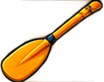
Sea paddle
Lets you move well and hold your course.

Buoyancy aid
Compulsory kit for safety at sea.

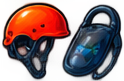
Helmet
Worth wearing on routes near rocks or caves.

Wetsuit
Keeps you warm in cold water.

Dry sack
It keeps your phone, your camera and your things dry.
Sun protection
Important, given how long you are out in the sun.
Safety in Sea kayaking
The sea can turn quickly, and safety rests on preparation and on judging the route properly.

Sea kayaking — frequently asked questions
Exploring the coast in a kayak built for salt water.
Not for the routes close to shore. The longer ones ask for experience.
At sea you have waves, wind and conditions that keep changing.
Yes — a basic ability to swim is recommended.
Yes. The coast gives you plenty to point a camera at.
Depending on the organiser, it may cover the kayak, the paddle, the buoyancy aid and thermal kit.
No. Trips depend on the conditions at sea and may be moved for safety.