
Rock climbing
Rock climbing in Romania — options for every level of experience. Clear prices and real reviews.

Difficulty
Beginner – Expert

Duration
1 hour - a full day

Location
Natural crags, gorges, mountain faces

Season
Spring - autumn, depending on the area
What is rock climbing?
Rock climbing means going up natural walls using holds, balance and a system that catches you if you come off.
It builds strength, flexibility, concentration and the knack of reading a route.
Beginners and experienced climbers both do it.
Routes are graded by how hard they are and by what the wall is like.
How does a climbing session work?
Getting ready and the briefing
The kit and the safety rules are gone over.
Warming up
Climbers get the body ready for the work.
Choosing the route
A route is picked to match your level.
Climbing the route
The climber works up using movement and protection technique.
Looking back at the route
You go over the moves and how far you got.
Who is rock climbing for?

Beginners
They can learn the basic technique with an instructor.

Active people
It works the whole body.

Adventurers
It lets you work natural walls.

Families
It can work for children and adults at set-up sites.
rock climbing experience level
First climbing lesson
A first time on rock, learning the kit and the basic technique.
Sport climbing
Bolted routes with fixed protection points.
Multi-pitch routes
Longer ascents on vertical or alpine walls.
Performance climbing
Hard routes that call for experience and real training.
At a glance

Technique
Body position and using the holds well are what count.

Strength and mobility
It works the muscles and asks for flexibility.
Grade
Routes are graded by how hard they are.

Your belayer
Roped climbing depends on talking to each other.

Weather
Rain and damp can make it unsafe.

Instructor
Recommended for a first try.

Booking
Needed for organised sessions.
rock climbing kit

Climbing shoes
They give you grip and precision on the holds.

Climbing harness
It is what ties you into the protection system.

Helmet
It protects against knocks and falling stones.
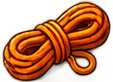
Climbing rope
It is what protects you on vertical routes.

Belay device
It controls the rope while the climb is on.

Chalk
It keeps your hands dry enough to grip.

Carabiners
They connect the parts of the safety system.
rock climbing safety
Keeping to the procedures is what brings the risk down.

Frequently asked questions about rock climbing
Yes. You start with an instructor and the right kit.
Being fit helps, but technique counts for a great deal more.
Yes — starting gently helps you get used to it.
Yes, at suitable sites and under supervision.
Yes. Climbing walls are useful for training.
It depends on the climate and on the state of the rock.
Yes. It suits active people with a taste for adventure.