
Caving
Caving — find the best experiences in Romania. Quick booking, professional guides and kit included.

Difficulty
Beginner – Expert

Duration
A few hours – several days

Location
Caves, shafts, karst systems

Season
Depending on conditions underground
What is caving?
Caving is the study and exploration of caves and of the natural world underground.
It takes in looking at rock formations, at the ecosystems and at recording the passages.
It can be done for fun, as learning or as science.
Caving puts adventure together with getting to know the natural world.
How does a caving trip work?
Planning the route
You look into the cave, how to get in and what state it is in.
Getting the gear ready
The protective kit and the lighting are checked.
Working the passages
Participants work their way along the underground routes.
Recording what you find
Observations, routes and what the cave is like get written down.
Looking after the cave
The exploring is done without damaging the formations.
Who is caving for?

Adventure lovers
They reach places ordinary tourism never gets to.

Nature lovers
They can watch ecosystems and formations you see nowhere else.

People with a scientific bent
It teaches you something about geology and biology.

Experienced adventurers
They can join the technical explorations.
caving experience level
First steps underground
First trips into easy caves, with a guide and basic kit.
Caving for pleasure
Working the natural passages and looking at what has formed underground.
Technical caving
Working hard cavities with vertical pitches and specialist access.
Caving expeditions
Complex explorations with surveying and full documentation.
At a glance

A world of its own
Caves are nothing like conditions on the surface.

Cold underground
Most cavities are cold and damp.

Route-finding
Finding your way through the passages takes care and training.

The science side
Caving adds to what is known about the world underground.

Conservation
Underground areas are fragile ecosystems.

A specialist guide
Worth having on caves you do not know.
caving kit

Caving helmet
It protects your head in passages and tight squeezes.

Head torch
It keeps the light on underground.

Caving suit
It keeps the wet and the mud off you and your clothes.
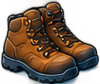
Waterproof boots
They grip on wet surfaces.

Ropes and rigging
Used on the vertical pitches.

Survey instruments
Used for recording and following the routes.
Caving safety
Going underground calls for preparation and for keeping to the procedures.

Caving — frequently asked questions
Not on the introductory routes, though technical trips call for training.
Caving means exploring, recording and sometimes research.
Yes, on trips set to their age and to the difficulty.
How fit you need to be depends on the route.
Rock formations, ecosystems, underground water and how caves are built.
A good deal of it is possible all year, depending on conditions.
The underground world forms slowly and is very easily changed.